
The Texel Advantage
Texel sheep are the muscle breed of the sheep industry.
Known worldwide for exceptional muscling, lean carcasses, and efficient forage conversion,
Texels are widely used as terminal sires in crossbreeding systems to increase lamb carcass
value and producer profitability.
With docile temperaments, strong maternal ability, and proven crossbreeding performance,
Texels help producers raise lambs that perform in the pasture and on the rail.
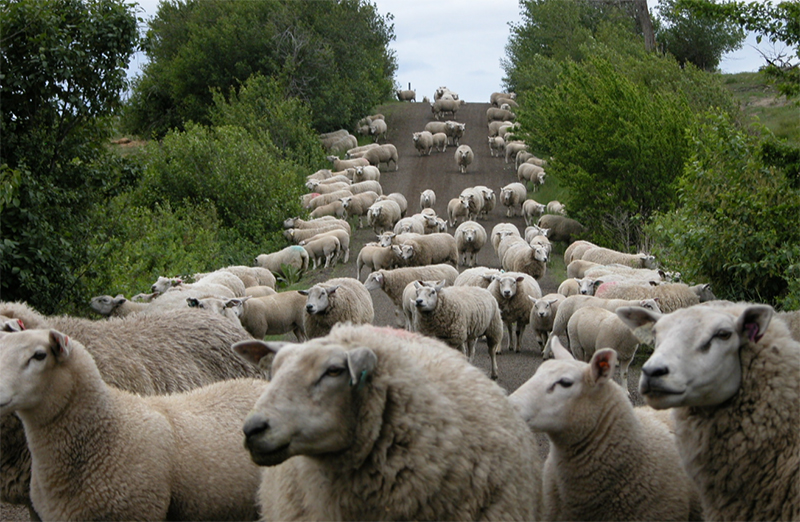
Why Producers Choose Texels
Texels combine the traits modern sheep producers value most.
Exceptional Carcasses
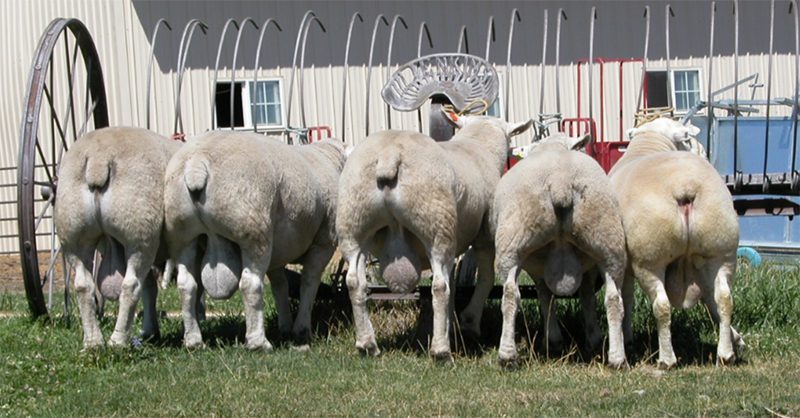
Texels carry a natural myostatin mutation that enhances lean muscle development.
- More loin and leg muscling
- Reduced backfat
- Higher dressing percentages
- Premium-quality lamb with mild flavor

Photo Courtesy of University of Wisconsin-Madison
and the Wisconsin Sheep & Wool Festival.
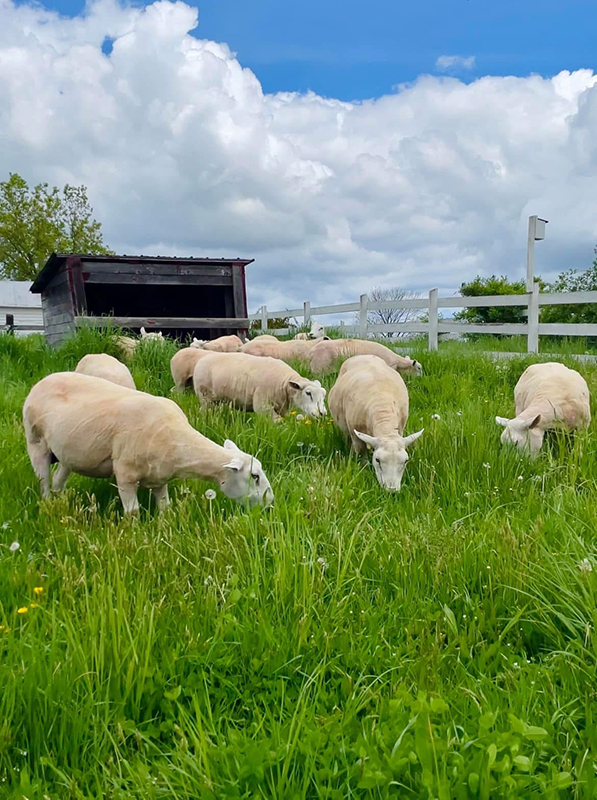
Grass Efficiency
Texels thrive in forage-based systems.
- Efficient conversion of grass and roughage into muscle
- Reduced reliance on grain
- Lower feed costs for producers
Calm & Easy to Manage
Texels are known for their docile and curious temperament.
- Easy to handle in everyday flock management
- Ideal for pasture lambing systems
- Well suited for youth livestock projects
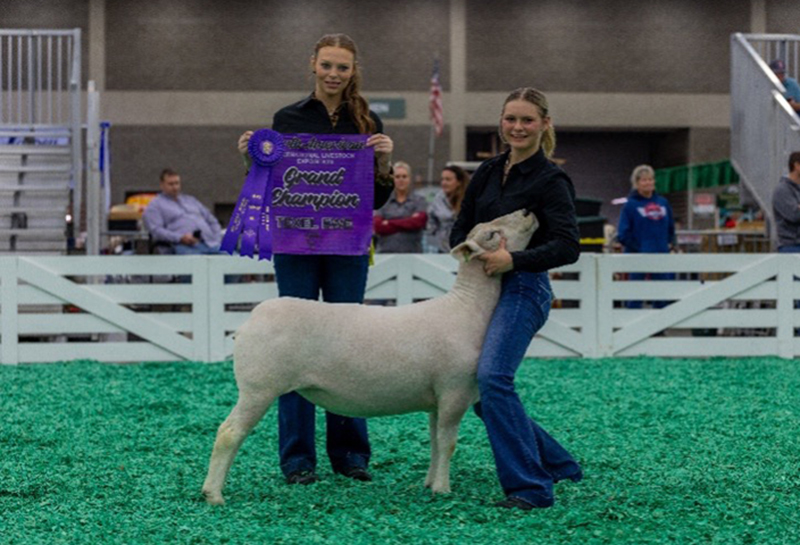

Strong Maternal Ability
Texel ewes are dependable mothers.
- Strong maternal instincts
- Good milk production
- Reliable lamb survival rates
- Lamb crops commonly around 150% in natural breeding systems
Texel gestation is approximately five months.
Ewe lambs typically reach their first heat at around 7 months of age.
Proven Terminal Sires
Texel rams are widely used as terminal sires in crossbreeding programs.
They consistently pass on:
- Heavy muscling
- Lean carcasses
- Improved dressing percentages
- Efficient growth
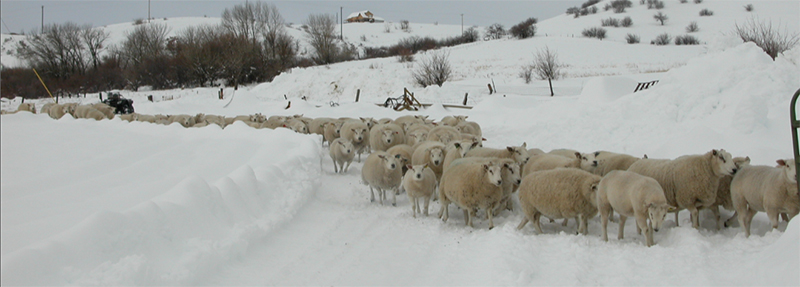
Hardy & Adaptable
Texels are known for their durability and adaptability.
- Perform well in pasture-based systems
- Adapt to a wide range of climates
- Efficient, easy-keeping sheep
Origins of the Texel
Texel sheep originated on the Island of Texel off the coast of the Netherlands in the early
1800s.
Over generations, breeders selected sheep that could:
- Produce heavily muscled lambs
- Maintain lean carcasses
- Thrive in northern climates
- Grow efficiently on forage-based systems
Limited crossing with Lincoln and Leicester Longwool sheep helped refine the breed, resulting in the modern Texel known for superior meat quality and efficiency.

Texels in the United States
- First imported in 1985 to the U.S. Meat Animal Research Center in Clay Center,
Nebraska - Released to American breeders in 1990 after quarantine
- Increasingly recognized for improving lamb carcass value in U.S. production systems
Breed Characteristics
Appearance
Texels are a distinctive and easily recognized breed.
- White-faced sheep
- Head and legs free of wool
- Short, broad face with black nose
- Short, wide-set ears carried horizontally
- Black hooves
- Medium-grade fleece (46–56), with many fleeces valued by hand spinners

Mature Size
Texels are considered a medium-sized breed that thrive in pasture-based systems.
- Rams: approximately 200–250 lbs
- Ewes: approximately 150–200 lbs

Carcass & Performance
Research conducted at the U.S. Meat Animal Research Center and the University of Wisconsin
found Texel-sired lambs show measurable carcass advantages:
- 6–10% larger loin-eye area
- Higher leg scores
- Less overall carcass fat
- Improved feed efficiency
In feeding trials, Texel lambs required about 15 pounds less feed to produce 60 pounds of gain
compared to black-faced lambs.
Many breeders now use ultrasound as a selection tool, commonly measuring loin-eye areas
exceeding 4 square inches.

Growth & Efficiency
Texels grow efficiently while remaining easy-keeping sheep.
Typical performance:
- Average daily gain: ~0.55 lbs/day
- 12-week weaning weight: ~55 lbs
- 24-week market weight: ~97 lbs
Their ability to convert grass and roughage into lean muscle makes them ideal for forage-
based operations.
Global Popularity
Texels are one of the most widely used terminal sire breeds in the world.
They are especially popular in:
- United Kingdom
- Europe
- Australia
- New Zealand
As sheep industries worldwide have shifted toward meat production rather than wool, Texels
have become a key breed for improving carcass quality.
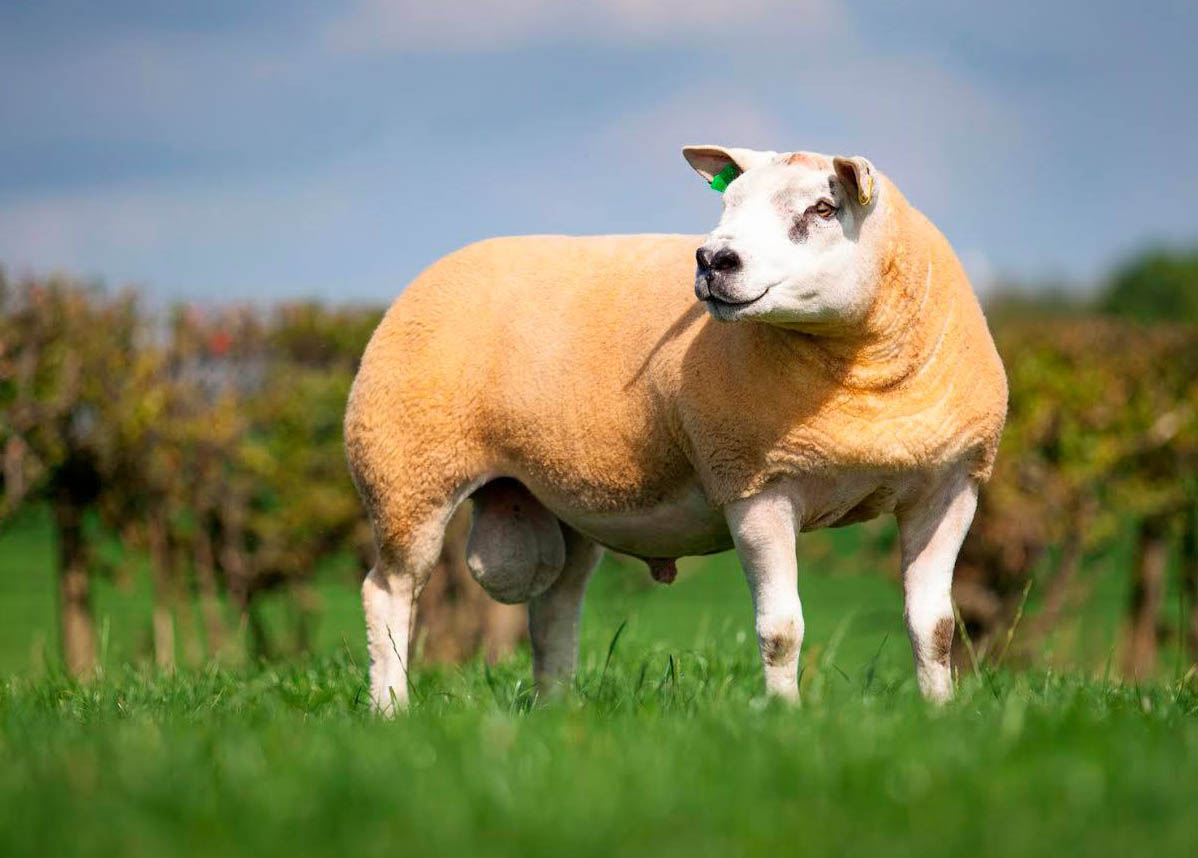
British Texel
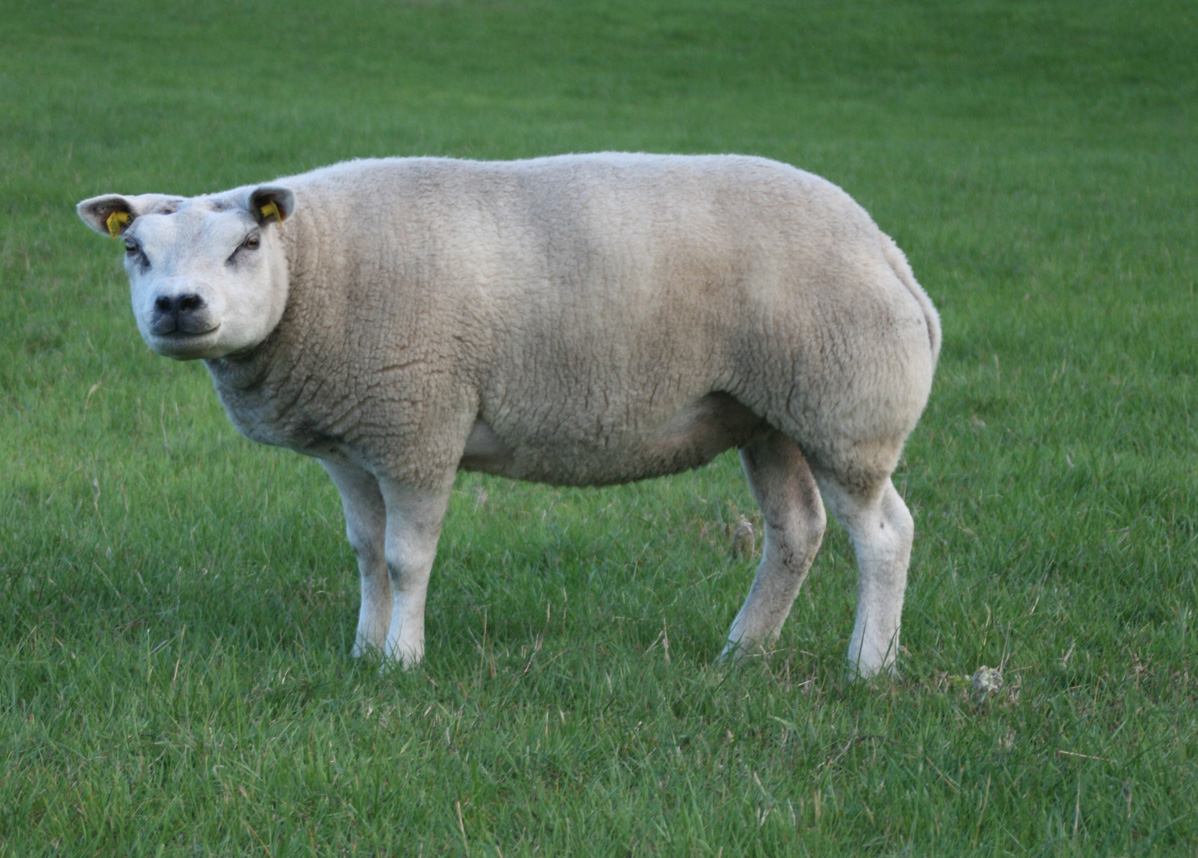
Dutch / “Beltex” Texel

French Texel
The Bottom Line
Texel sheep combine the traits modern producers need:
- Exceptional muscling
- Lean carcasses
- Efficient forage conversion
- Docile temperament
- Strong maternal ability
- Proven terminal sire performance in crossbreeding programs
Texels help producers raise better lambs and capture greater value from every carcass.
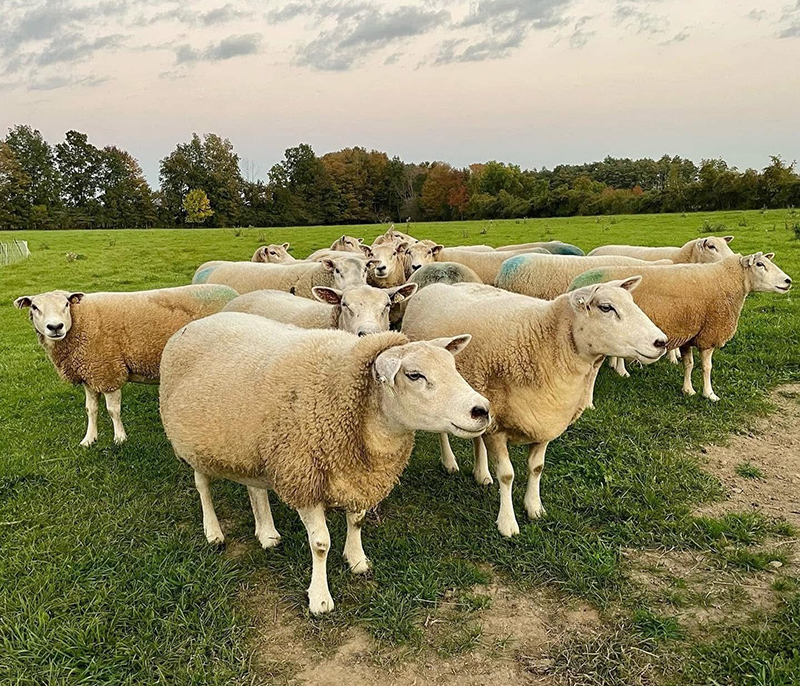
What Happens When I use a Texel Ram
Texel rams are widely used as terminal sires in crossbreeding systems because they consistently pass on muscle, leanless and carcass value to their offspring.
Even when bred to other breeds, Texels stamp their genetics strongly on the next generation.
THE RESULT: LAMBS THAT PERFORM BETTER ON THE RAIL
| Trait | Typical Crossbred Lamb | Texel Sired Lamb |
|---|---|---|
| Muscling | Moderate | Heavier Muscling |
| Loin Eye Area | Average | Larger Loin Eye |
| Fat Cover | Higher | Leaner Carcass |
| Dressing Percentage | Average | Higher Yield |
| Feed Efficiency | Standard | Improved Efficiency |
| Market Appeal | Variable | Consistent, Meatier Lambs |
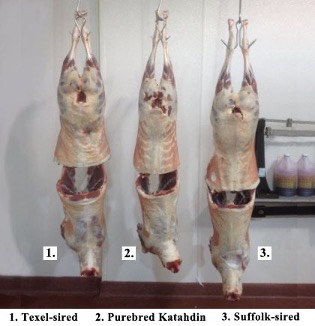
1. Texel Katahdin cross
2. Purebred Katahdin
3. Suffolk Katahdin cross
Source: WVU Texel Project
WHY THIS HAPPENS
Texels carry a natural myostatin mutation that enhances lean muscle growth.
When a Texel ram is used as a terminal sire, his lambs inherit:
• More muscle expression
• Less excess fat
• Better carcass shape
• Higher value at harvest
A homozygous (M/M) Texel ram will always pass one copy of this gene to his lambs, ensuring improved muscling in the next generation.

The Bottom Line
Using a Texel ram in a crossbreeding program helps producers produce lambs that grow efficiently and yield more valuable carcasses.
More muscle. Less waste. Greater returns.